


Cain and Abel, S.XX
Further images
-
(View a larger image of thumbnail 1
)
-
(View a larger image of thumbnail 2
)
-
(View a larger image of thumbnail 3
)
-
(View a larger image of thumbnail 4
)

-
(View a larger image of thumbnail 5
)

-
(View a larger image of thumbnail 6
)
-
(View a larger image of thumbnail 7
)
-
(View a larger image of thumbnail 8
)
-
(View a larger image of thumbnail 9
)
-
(View a larger image of thumbnail 10
)
-
(View a larger image of thumbnail 11
)
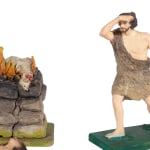
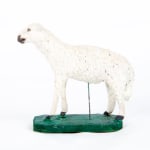
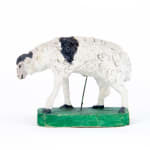
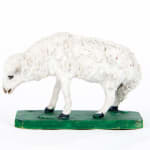
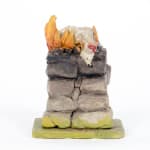
In the course of time, Cain brought an offering to Yahweh from the fruits of the soil. Abel also brought an offering, fat portions from the firstborn of his flock. Yahweh was pleased with Abel and his offering, but He was not pleased with Cain’s offering. This made Cain very angry, and he looked upset. Then Yahweh said to Cain: “Why are you angry and upset? If you do what is right, you will be able to hold your head high. But if you do not do what is right, sin is crouching at your door; it desires to have you, but you must rule over it.” Cain then said to his brother Abel: “Let’s go out to the field.” And while they were in the field, Cain attacked his brother Abel and killed him. (Genesis 4, 3-8)
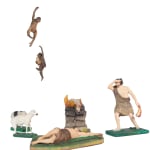
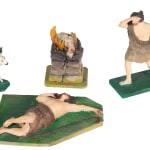
This scene shows the outcome of the story of Cain and Abel, sons of Adam and Eve. Filled with jealousy because God favored his brother Abel’s offerings, Cain decides to kill him.
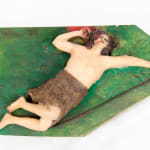
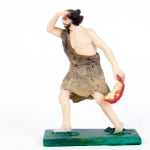
Nieva represents the lifeless body of Abel, his head stained with blood, while his brother gazes at his deed, holding in his hand the weapon, a donkey’s jawbone. As a punishment, God condemns Cain to roam the earth without a home, yet also grants him a protective mark to preserve his life. This narrative is also connected to the symbolic genealogy of the Kenites, ancient desert nomads renowned for their violence and characteristic tattoos.