


 Becerro de oro
 Becerro de oro
 Becerro de oro
 Becerro de oro
 Becerro de oro
 Becerro de oro
 Becerro de oro
 Becerro de oro
 Becerro de oro
 Becerro de oro
 Becerro de oro
 Becerro de oro
 Becerro de oro
 Becerro de oro
 Becerro de oro
 Becerro de oro
 Becerro de oro
 Becerro de oro
 Becerro de oro
 Becerro de oro
 Becerro de oro
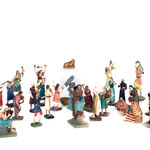
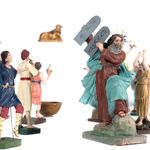
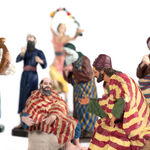
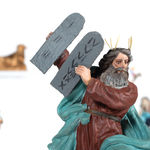
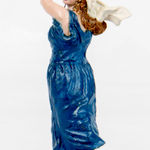
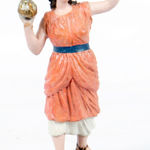
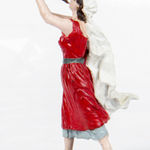
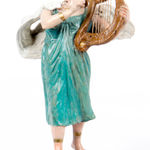
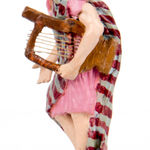
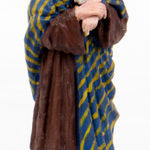
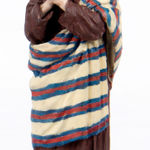
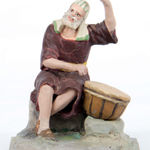
The Worship of the Golden Calf, S.XX
Further images
-
(View a larger image of thumbnail 1
)
-
(View a larger image of thumbnail 2
)
-
(View a larger image of thumbnail 3
)
-
(View a larger image of thumbnail 4
)
-
(View a larger image of thumbnail 5
)
-
(View a larger image of thumbnail 6
)
-
(View a larger image of thumbnail 7
)
-
(View a larger image of thumbnail 8
)
-
(View a larger image of thumbnail 9
)
-
(View a larger image of thumbnail 10
)
-
(View a larger image of thumbnail 11
)
-
(View a larger image of thumbnail 12
)
-
(View a larger image of thumbnail 13
)
-
(View a larger image of thumbnail 14
)
-
(View a larger image of thumbnail 15
)
-
(View a larger image of thumbnail 16
)
-
(View a larger image of thumbnail 17
)
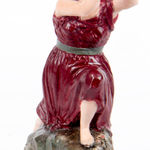
-
(View a larger image of thumbnail 18
)
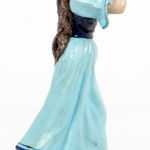
-
(View a larger image of thumbnail 19
)
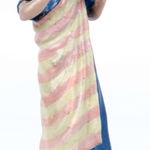
-
(View a larger image of thumbnail 20
)
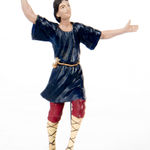
-
(View a larger image of thumbnail 21
)
-
(View a larger image of thumbnail 22
)
-
(View a larger image of thumbnail 23
)
-
(View a larger image of thumbnail 24
)
-
(View a larger image of thumbnail 25
)
-
(View a larger image of thumbnail 26
)
-
(View a larger image of thumbnail 27
)
-
(View a larger image of thumbnail 28
)
-
(View a larger image of thumbnail 29
)
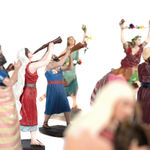
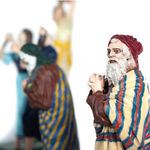
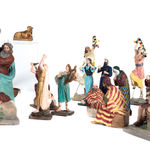
When the people saw that Moses was taking so long in coming down from the mountain, they gathered around Aaron and said: “Come, make us a god who will lead us. As for this Moses who brought us up out of Egypt, we don’t know what has happened to him.”[...] Moses turned and went down the mountain with the two tablets of the Commandments in his hands. They were inscribed on both sides, front and back. The tablets were the work of God; the writing was the writing of God, engraved on the tablets. When Joshua heard the noise of the people shouting, he said to Moses: “There is the sound of war in the camp.” Moses replied: “It is not the sound of victory, it is not the sound of defeat; it is the sound of singing that I hear.” When Moses approached the camp and saw the calf and the dancing, his anger burned, and he threw the tablets out of his hands, breaking them to pieces at the foot of the mountain. He took the calf the people had made and burned it in the fire; then he ground it to powder, scattered it on the water, and made the Israelites drink it. (Exodus 32,1; 32, 15–20)
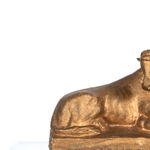
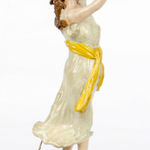
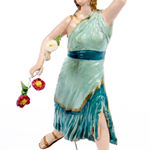
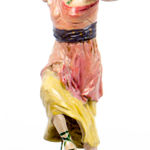
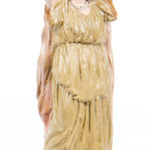
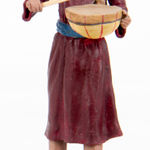
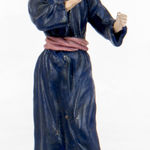
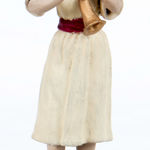
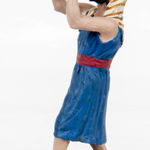
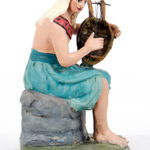
This scene represents the moment where Moses comes down from Mount Sinai, unnoticed by his people, and finds them worshiping a golden calf made from the Hebrews' jewelry. A group is seen dancing and singing to show the irrationality, sensuality, and excess associated with the worship of “idols.”
Moses, filled with anger, threw down the tablets and broke them at the foot of the mountain, he also destroyed the idol. This idol, made by the Hebrews in their desperation over not knowing the fate of their liberator and being left waiting in the desert, was a bull, a sacred animal in the region, symbolizing fertility and strength. It was associated with the worship of the Canaanite god “El,” who was venerated to gain wealth and prosperity, even if that meant fraud, violence, and looting. These practices of idolatry by the Israelites would later be condemned and rejected by the prophets.