


 Casa de Nazaret
 Casa de Nazaret
 Casa de Nazaret
 Casa de Nazaret
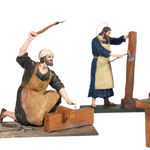
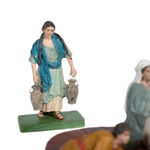
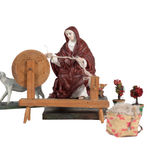
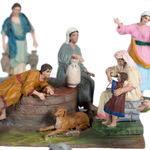
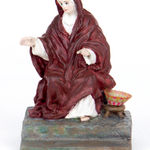
The House in Nazareth, S.XX
Further images
-
(View a larger image of thumbnail 1
)
-
(View a larger image of thumbnail 2
)
-
(View a larger image of thumbnail 3
)
-
(View a larger image of thumbnail 4
)
-
(View a larger image of thumbnail 5
)
-
(View a larger image of thumbnail 6
)
-
(View a larger image of thumbnail 7
)
-
(View a larger image of thumbnail 8
)
-
(View a larger image of thumbnail 9
)

-
(View a larger image of thumbnail 10
)

-
(View a larger image of thumbnail 11
)
-
(View a larger image of thumbnail 12
)

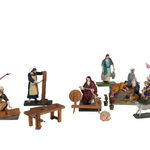
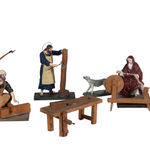
Then Jesus went down with them to Nazareth and kept obeying them. His mother, meanwhile, kept all these things in her heart. Jesus grew in wisdom and in stature, and in favor with God and with men. (Luke 2, 51–52) / The Lady of the world then took it upon herself to support her most holy Son and her husband through her own labor. [...] The great Queen began to work more diligently, spinning, and weaving linen and wool. (Mystical City of God, Book V, 859)
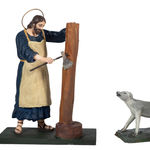
This scene represents everyday life and offers a model for Christian families. Following the monastic counsel to “pray and work,” no member of this Holy Family remains idle; even Mary is shown spinning, echoing the writings by Sister Maria de Agreda, in which the Virgin supports the household economically by selling linen.
This scene also allows us to reflect more on the devotion to Joseph, which was highly popular in the early 20th century as a remedy for social issues. This devotion began in the late Middle Ages, particularly promoted by the Franciscan order, but it gained greater prominence in the 16th century with the expansion of the Discalced Carmelites, whose founder, Saint Teresa of Jesus, was a major advocate of the cult of Jesus’ father. This devotion gained renewed strength in the 19th century, finding a place especially within family life and among the working class.