


El Arca de Noé, S.XX
Further images
-
(View a larger image of thumbnail 1
)
-
(View a larger image of thumbnail 2
)
-
(View a larger image of thumbnail 3
)
-
(View a larger image of thumbnail 4
)
-
(View a larger image of thumbnail 5
)
-
(View a larger image of thumbnail 6
)
-
(View a larger image of thumbnail 7
)
-
(View a larger image of thumbnail 8
)
-
(View a larger image of thumbnail 9
)

-
(View a larger image of thumbnail 10
)

-
(View a larger image of thumbnail 11
)
-
(View a larger image of thumbnail 12
)
-
(View a larger image of thumbnail 13
)
-
(View a larger image of thumbnail 14
)

-
(View a larger image of thumbnail 15
)
-
(View a larger image of thumbnail 16
)
-
(View a larger image of thumbnail 17
)
-
(View a larger image of thumbnail 18
)

-
(View a larger image of thumbnail 19
)
-
(View a larger image of thumbnail 20
)
-
(View a larger image of thumbnail 21
)
-
(View a larger image of thumbnail 22
)
-
(View a larger image of thumbnail 23
)
-
(View a larger image of thumbnail 24
)

-
(View a larger image of thumbnail 25
)
In the six hundred and first year of Noah’s life, on the first day of the first month, the waters had dried up from the earth. Noah removed the covering of the ark and looked out and saw that the surface of the ground was dry. By the twenty-seventh day of the second month, the earth was completely dry. Then God said to Noah: “Come out of the ark, you and your wife, your sons and their wives. Bring out all the living creatures of every kind that are with you: birds, animals, beasts and every reptile that moves along the ground, so that they may swarm on the earth, be fruitful and multiply upon it.” So, Noah came out, along with his sons, his wife, and his sons’ wives. All the wild and domestic animals, all the birds, and all the reptiles that move along the ground came out of the ark by families. Then Noah built an altar to Yahweh and taking some of all the clean animals and clean birds, he offered them as burnt offerings on the altar. When Yahweh smelled the pleasing aroma, He said in His heart: “Never again will I curse the earth because of humankind, even though every inclination of the human heart is evil from youth. Nor will I ever again destroy all living creatures as I have done. As long as the earth endures, seedtime and harvest, cold and heat, summer and winter, day and night shall never cease.” (Genesis 8, 13 -22)
The oldest account of a great flood comes from the Epic of Gilgamesh, based on the Akkadian myth of Atra-Hasis, which influenced the Hebrew narrative about Noah. In the biblical version, the flood is a divine punishment meant to put an end to the violence on Earth, saving only Noah, his family, and a selection of animals. For 40 days and 40 nights, the waters cover all of creation until, as they recede, the survivors can go out of the ark.
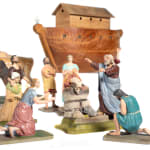
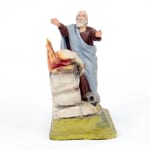
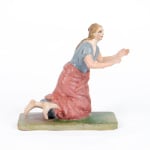
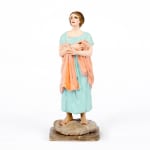
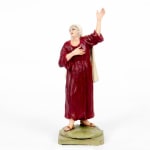
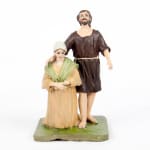
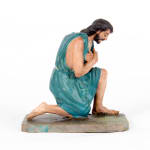
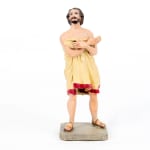
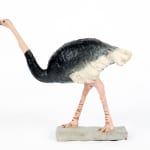
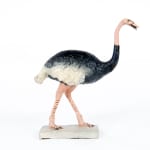
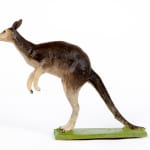
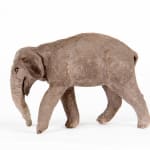
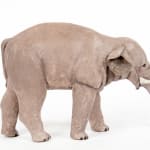
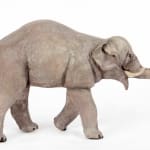
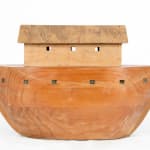
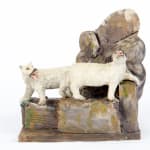
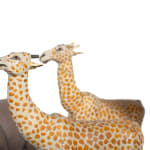
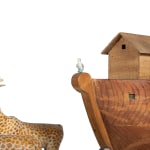
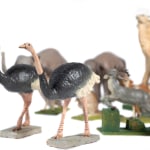
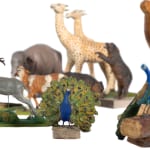
This scene depicts the final part of the narrative: as the waters recede and the land reappears, Noah, his family, and the animals exit the ark. Noah, with his family, then builds an altar with an offering of gratitude to Yahweh. In this renewed world, God establishes a covenant with Noah and his descendants, promising never again to destroy the Earth entirely.